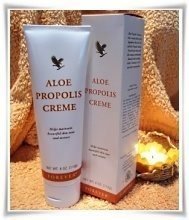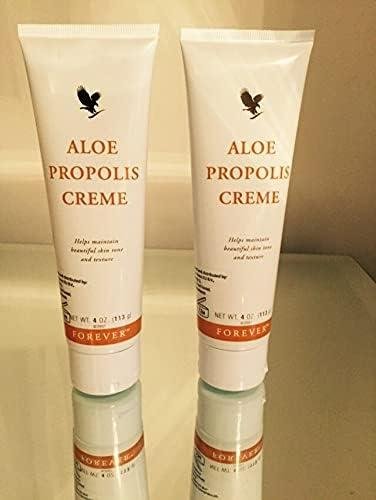
Skin problems like acne, eczema, and irritations are common, and for many people, finding an effective, gentle solution can be a challenge. With countless creams, gels, and treatments available, you may have come across Aloe Propolis Creme—a well-known product from Forever Living that combines the soothing power of Aloe Vera with the protective benefits of bee propolis.
But is this cream really suitable for acne-prone skin? Can it help with eczema? And how effective is it for everyday irritations?
This guide explores everything you need to know about Aloe Propolis Creme: how it works, its key ingredients, how to use it, and whether it can help manage various skin concerns. You will also find a comparison table and a helpful FAQ section to assist in making the right skincare decision.
1. What Is Aloe Propolis Creme?
Aloe Propolis Creme is a rich, moisturizing skincare product designed to nourish, soothe, and protect the skin. It combines two powerful natural ingredients:
Aloe Vera Gel
Known for its:
- soothing properties
- anti-inflammatory benefits
- ability to hydrate deeply
- support for skin repair
Bee Propolis
A resin-like substance made by bees, known for its:
- anti-bacterial properties
- anti-inflammatory effects
- barrier protection
- support for healing irritated or damaged skin
This combination makes Aloe Propolis Creme a versatile product used for:
- dry or rough skin
- acne-prone skin
- irritation from shaving
- redness
- flaky patches
- sensitivity
- eczema-like dryness
2. Is Aloe Propolis Creme Good for Acne?
Yes, it can be highly beneficial for acne-prone skin.
Acne occurs due to excess oil, clogged pores, bacteria, and inflammation. Aloe Propolis Creme contains natural ingredients that target several of these issues at once.
How it helps with acne:
1. Reduces inflammation
Aloe Vera is known for calming swollen or irritated skin, making it useful for:
- red pimples
- inflamed breakouts
- irritated acne scars
2. Supports antibacterial protection
Bee propolis naturally inhibits bacteria growth. Since acne-causing bacteria can worsen breakouts, propolis helps reduce the risk of new pimples.
3. Provides lightweight hydration
Acne-prone skin still needs moisture. This cream hydrates without clogging pores when applied in a thin layer.
4. Helps with healing
Aloe Vera promotes skin recovery, helping fade marks over time.
Best for:
- Mild to moderate acne
- Redness or inflammation from breakouts
- Acne triggered by dryness or irritation
Caution:
It is rich and creamy, so people with extremely oily skin should use it sparingly or patch test first.
3. Is Aloe Propolis Creme Good for Eczema?
Yes, it is considered one of the most comforting natural creams for eczema-like symptoms.
Eczema involves dryness, itchiness, and irritation. Aloe Propolis Creme targets these factors effectively.
How it helps eczema:
1. Deep hydration
The cream is rich, nourishing, and long-lasting—ideal for eczema-prone areas like:
- elbows
- hands
- legs
- neck
2. Soothes itching and irritation
Aloe Vera cools and calms inflamed skin.
3. Protects the skin barrier
Propolis forms a natural protective film, helping lock in moisture and shield the skin from external irritants.
4. Reduces redness
Both aloe and propolis have anti-inflammatory benefits.
Best for:
- Dry eczema patches
- Red, irritated areas
- Rough or flaky skin
Not recommended when:
- The skin is cracked and bleeding (patch test first)
- The person is allergic to bee products
4. Is Aloe Propolis Creme Good for Skin Irritations?
Yes — it is one of its strongest uses.
Skin irritations can be caused by:
- shaving
- friction
- weather changes
- insect bites
- mild burns
- dryness
- sensitivity
Aloe Propolis Creme is effective because it:
1. Calms irritated skin
Aloe Vera instantly cools discomfort.
2. Reduces redness
Propolis helps reduce inflammation.
3. Moisturizes dry, irritated patches
Hydration prevents further irritation.
4. Supports repair
It nourishes the skin to support recovery.
5. Key Benefits of Aloe Propolis Creme
Here are the major advantages users experience:
- Deep hydration
- Soothing relief for redness and irritation
- Support for acne-prone skin
- Protection for sensitive or reactive skin
- Helps improve uneven texture
- Natural ingredients safe for daily use
- Strengthens skin’s moisture barrier
- Helps soften rough or cracked skin
6. How to Use Aloe Propolis Creme
For Acne
- Apply a thin layer once or twice daily.
- Use after cleansing and toning.
- Avoid applying thick amounts on oily areas.
For Eczema
- Apply generously to dry patches.
- Reapply as needed throughout the day.
- Use after a shower for best absorption.
For Irritations
- Apply a medium layer on the irritated area.
- Massage gently until absorbed.
- Repeat 1–3 times daily depending on severity.
7. Comparison Table: Aloe Propolis Creme vs Regular Moisturizers
| Feature | Aloe Propolis Creme | Regular Moisturizers |
|---|---|---|
| Main ingredients | Aloe Vera + Bee Propolis | Oils, water, synthetic ingredients |
| Suitable for acne? | Yes (light use) | Depends on formula |
| Eczema support | Very effective | Moderate to high depending on type |
| Anti-bacterial protection | Yes (propolis) | Usually none |
| Anti-inflammatory benefits | Strong | Varies by brand |
| Texture | Rich cream | Light to thick depending on type |
| Healing support | Strong | Usually mild |
| Best for | Acne, eczema, irritations, dryness | Basic hydration only |
| Natural ingredients | High | Moderate |
8. Who Should Use Aloe Propolis Creme?
This cream is ideal for:
People with dry skin
Those experiencing eczema-like patches
Individuals with sensitive or irritated skin
People dealing with mild to moderate acne
Anyone needing a natural protective skin barrier
Individuals exposed to harsh climate conditions
9. Who Should Avoid It?
You should use caution or avoid it if you:
- are allergic to bee products
- have extremely oily skin (use lightly)
- have severe cystic acne (consult a dermatologist)
Always patch test on a small area if unsure.
10. Frequently Asked Questions (FAQs)
1. Can Aloe Propolis Creme clog pores?
It is not considered comedogenic. When used in a thin layer, it generally does not clog pores. However, very oily skin types should apply it sparingly.
2. How long does it take to see results?
- For irritations: often within minutes to hours
- For eczema: a few days to one week
- For acne: 1 to 3 weeks depending on severity
3. Can it be used daily?
Yes, it is safe for daily use.
4. Is it good for sensitive skin?
Yes. Aloe Vera and propolis are known for being gentle and soothing.
5. Can it help with acne scars?
It may help reduce the appearance of redness and support skin renewal due to aloe’s regenerative properties.
6. Is it safe for children?
It is gentle, but always check for allergies to bee products.
7. Can I use it under makeup?
Yes, but apply a thin layer to avoid heaviness.
8. Can men use it after shaving?
Absolutely. It is excellent for razor burn and sensitivity.
Aloe Propolis Creme is a versatile, natural skincare product that offers numerous benefits for acne, eczema, and skin irritations. Its unique combination of Aloe Vera and bee propolis makes it soothing, protective, and highly nourishing.
Whether you are dealing with breakouts, dryness, red patches, or irritation, this cream provides a gentle yet effective solution suitable for daily use. While it may not replace medical treatments for severe conditions, it is an excellent addition to any skincare routine aimed at calming and supporting the skin.